|
Chinese Forces Failure at the Chosin Reservoir - Page 1 Intervention HesitationThe Chinese hesitated to intervene in the Korean War until after the Inchon Landing. Party officials, led by Mao Zedong, agonized over the decisions, finally agreeing on October 2nd to act. Difficulties in mobilizing the troops and a further halt when the Russian reneged on their agreement to provide air support, delayed the entry of Chinese troops until October 20th. The initial Chinese plan was to move into Korea, develop a defensive base in the central mountain region of North Korea, and hold a line across the peninsula from to Hamhung. The Chinese planned to hold that line through the winter while the Russians re-equipped the Chinese army with modern weapons and equipment. Then, in the spring, re-trained and equipped with modern weapons, they planned to launch and offensive that would drive all UN forces from Korea. |
||
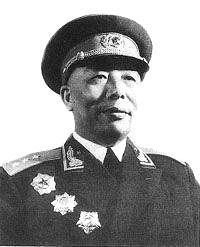
| General Song Shilun | |||
|
Intervention Begins
By the 20th of October as Chinese began to cross the river, the 8th Army had secured Pyongyang and commenced a drive north across the Chongchon River to the Yalu border. Unable to reach their planned positions in time, the Chinese collided with the 8th Army north of the Chongchon on October 25th. In nine days of heavy fighting the Chinese inflicted serious damage on the 8th Army and forced it to withdraw south of the Chongchon. By the 20th of October as Chinese began to cross the river, the 8th Army had secured Pyongyang and commenced a drive north across the Chongchon River to the Yalu border. Unable to reach their planned positions in time, the Chinese collided with the 8th Army north of the Chongchon on October 25th. In nine days of heavy fighting the Chinese inflicted serious damage on the 8th Army and forced it to withdraw south of the Chongchon. Mao Changes Orders On the eastern side of the peninsula two ROK divisions had seized Wonsan on October 10th and were advancing north. Mao Zedong assumed they would continue north through the Chosin Reservoir area, then turn west. To protect the left flank of the Chinese forces facing the 8th Army the 42nd CCF Army was detailed to cross the mountains, move south, and engage the ROK divisions. It was the leading element of this army, the 124th CCF Division which we encountered at Sudong on November 3rd. |
|||