|
41. Chinese Nationalities (Nu Minority) Page 1 -- Minorities by Descending Populations |
||||
|
|

|
||
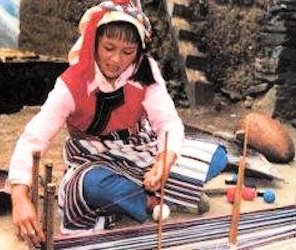
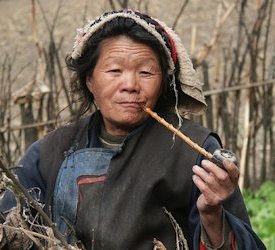
| Nu Lady Weaving Cloth | Nu Lady | Nu River | ||
|
The Nu is an ancient tribe that originally lived on the banks of the Nu and Lancang Rivers. Historical records show that they are the descendants of both the Luluman people who inhabited the area during the Yuan Dynasty and people who resided in the Gongshan area during ancient times. These two tribes intermingled and intermarried, finally giving birth to a new group, Nu, even though some distinctive characteristics of each group were preserved. In the eighth century, the area inhabited by the Nu people came under the jurisdiction of the Nanzhao and Dali principalities, which paid tribute to the Tang (618-907) Dynasty court. During the Yuan and Ming a Naxi headman in Lijiang administrated dynasties the Nu people. From the 17th century on, Bai, Naxi and Tibetan rulers governed the Nu area simultaneously. In addition, the newly immigrated Lisu headmen also oppress the Nu People, usurping the Nu people's land and sometimes carrying many of them off as slaves. |
||||
|
Off to Nu Page 2
Return to Chinese Nationality List On to No. 42 Minority Ewenki ⇨ |
||||