|
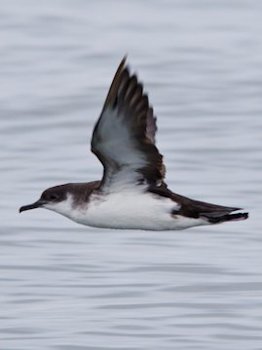
Birds Finding the Way Home - Page 1 The ability of birds to return to a familiar place from any distance is a remarkable feat of nature. For centuries people have taken advantage of this ability in homing pigeons by using them to take messages from distant points back to familiar sites. Homing pigeons are domesticated nonmigratory birds with an instinct to return to their lofts (nesting sites) that is improved with training and by selective breeding. Training is started at short distances from the nesting site; over time, this distance is gradually increased to hundreds of miles from its loft at a completely unfamiliar location flies in the direction of home within a minute or two of its release. How does this extraordinary behavior work? Understanding homing behavior is one of the greatest challenges to ornithologists. Fortunately, because they are able to carefully control the conditions under which the pigeons are released, researchers have been able to learn a great deal about how the birds navigate their way home. A Manx Shearwater, when released thousands of miles from its nest, will return within days. In one study, a Manx Shearwater averages 250 miles per day during a homing flight that lasted 12 days and covered 3,200 miles. Return to Bird Migration and NavigationOn to Finding Home Page 2 ⇨ |
| A Manx Shearwater |