|
Getting the Migration Timing Right - Page 1
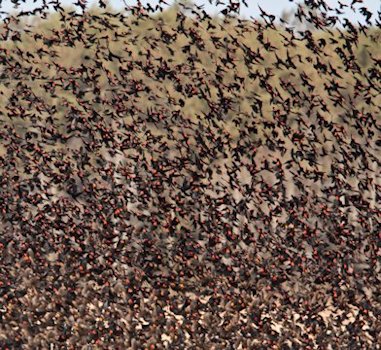
An experienced bird-watcher can mark the seasons in a given locale by the highly predictable times of arrival and departure of familiar migrating birds. Across much of the United States, for example, the first sign of spring is the arrival of flocks of Red-winged Blackbirds. The seasonal timing of migration is closely related to the likelihood that the necessities of life will be available at the time of arrival. Within each family of birds, however, there are great differences in timing among species. For example, among American wood warblers, the Louisiana Waterthrush may arrive at its breeding ground a full two months before the Connecticut Warbler passes through. There seems to be a premium on getting to nesting areas as soon as possible. In fact, many kinds of waterfowl begin move northward as soon as the lakes and ponds are released from the grip of ice. But at the same time there may be a heavy price to pay if the birds arrive too early -- weather is less dependable in early spring. |
| Red-winged-Blackbirds |